Understanding Compartment Syndrome: A Critical Challenge
A delay in diagnosing compartment syndrome can have
devastating consequences for the patient.
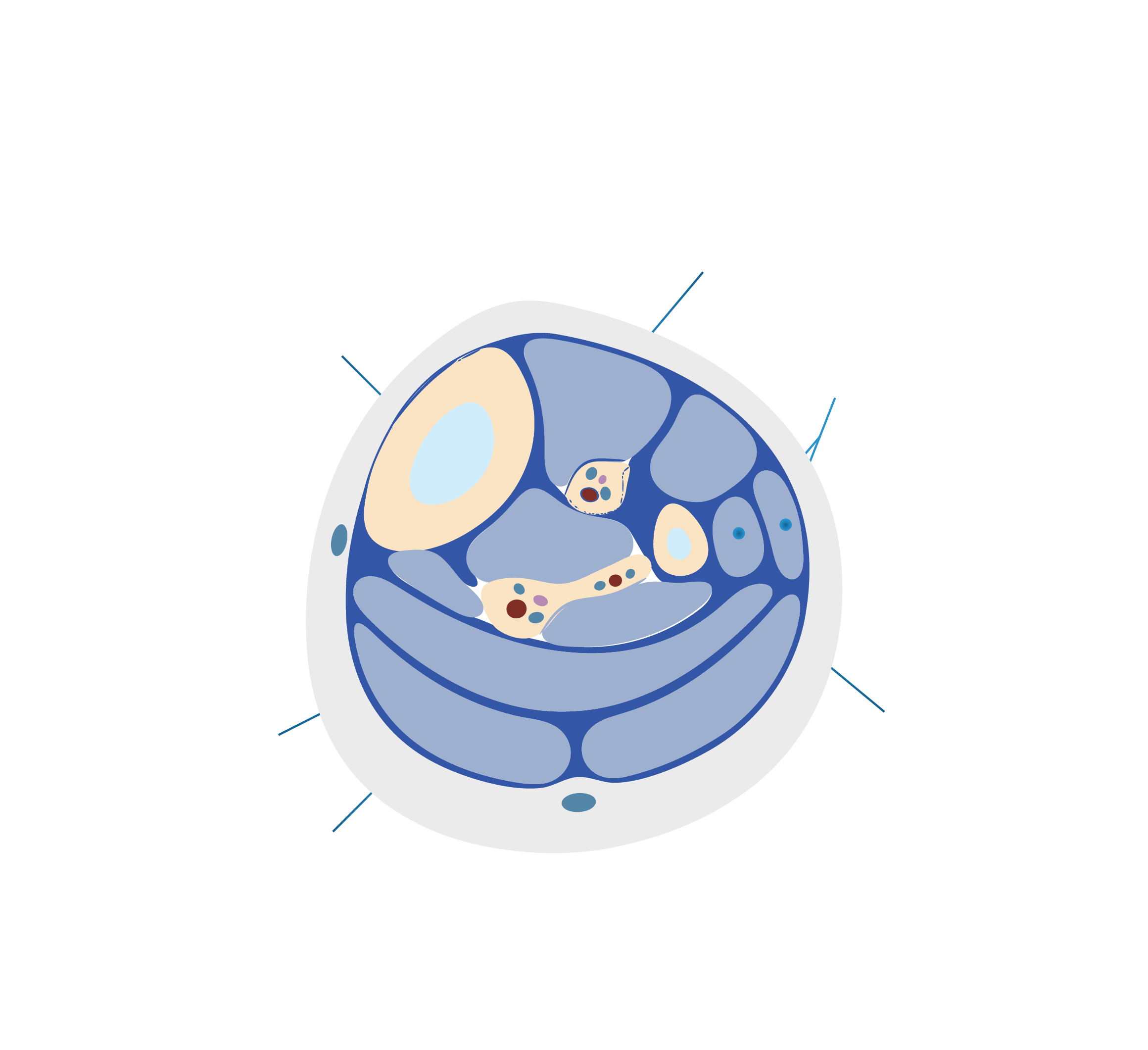
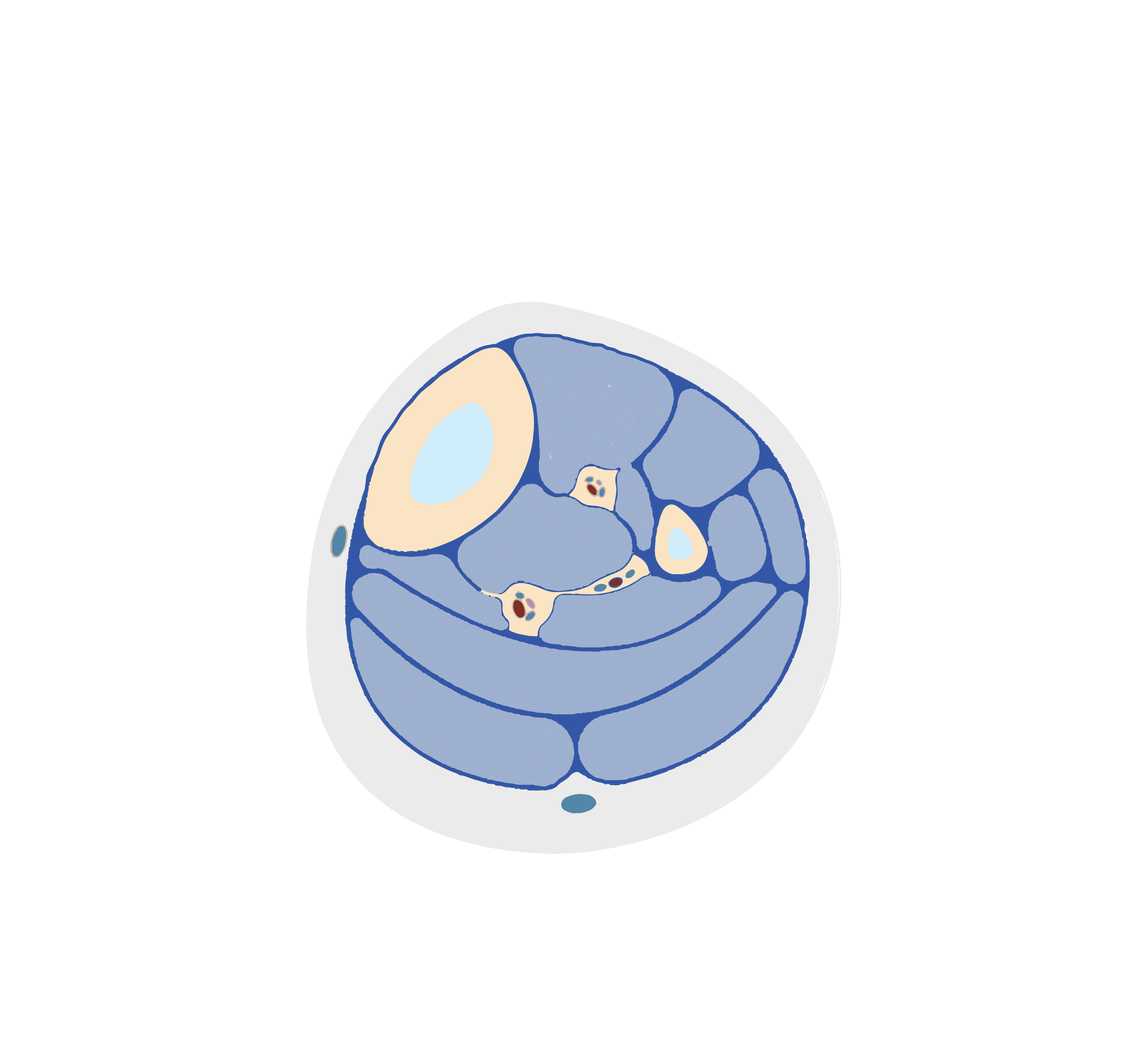
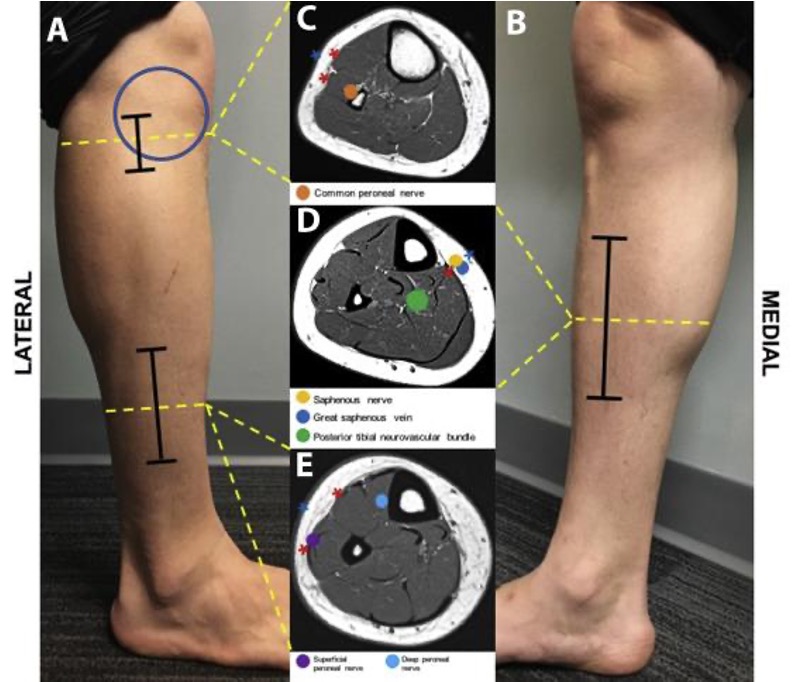
Compartment. group of muscles, nerves, and vessels
surrounded by thick and inflexible fascial tissue.
Time is Tissue
Fascia is a thin, inelastic sheet of connective tissue that surrounds muscle compartments and limits the capacity for rapid expansion.
Increased pressure within a closed osteofascial compartment results in impaired local blood circulation, which, without proper treatment, can lead to ischemia and eventually necrosis.
Acute compartment syndrome is considered a clinical diagnosis, with intracompartmental pressure > 30 mmHg often used as a threshold to aid in diagnosis. However, a single normal reading does not exclude acute compartment syndrome.
Acute compartment syndrome is regarded as a surgical emergency, as untreated cases can trigger a spiral of further tissue destruction.
Makes a difference
The AspireOne system helps medical professionals make informed decisions faster, and with confidence. By providing accurate, non-invasive diagnostics, our technology challenges the bias for overtreatment and reduces the need for unnecessary surgeries.
Importance of Early Evaluation
A delay in the diagnosis of acute compartment syndrome
can have devastating consequences for the patient.
Chronic pain
Muscle necrosis
Neurologic Injury
Every Minute Counts
Amputation
Infection
Death
Procedures and Treatments
Fasciotomy
Fasciotomy is a surgical procedure indicated once the clinical diagnosis of compartment syndrome is made. Incisions are made to relieve the high pressure inside the muscle compartment in order to restore blood flow to the region, and save the limb.
The importance of timely evaluation and clinical suspicion is based on the gravity sequelae of compartment syndrome. One study found only a 8% rate of regained limb function with fasciotomies performed after 12 hours of onset.
Disclaimer for Surgical Video Viewing. Please be advised that the following video contains footage of a surgical procedure. Viewer discretion is advised. The content is intended for educational purposes only and should not be used as a substitute for professional medical advice, diagnosis, or treatment. The techniques and opinions expressed in this video are those of the medical professionals involved and do not necessarily represent standard medical practice. By continuing to view this video, you acknowledge that you understand and accept the potentially graphic nature of the content.
Houston Methodist DeBakey Heart & Vascular Center, presents a cardiovascular procedure featuring Maham Rahimi, MD, and Alejandro Gimenez, MD, as they demonstrate “Leg Fasciotomy”.
This video contains footage of a surgical procedure and is age-restricted. Click “Watch on YouTube” to view.
Invasive Measurement
Invasive needle measurement in compartment syndrome carries risks like infection, bleeding, and potential nerve or muscle damage, and may worsen the condition.
The technique requires puncturing the affected compartment, which could potentially exacerbate the condition. It’s a procedure that demands careful consideration and skilled execution, primarily because patients with compartment syndrome are already at a high risk of tissue damage due to the elevated pressure within the muscle compartments.